Substance Abuse & Recovery
Recovery is real. And it doesn't start with shame.
Addiction is a health condition, not a moral failure. Whether you're using today, ninety days sober, ten years clean, or watching someone you love struggle, there is a way forward that doesn't require you to hate yourself into wellness. Care here is delivered by secure telehealth anywhere in Louisiana — because getting help shouldn't require a long drive or a small-town waiting room. In-person visits are also coming soon.
A Word From Your Counselor
What guides this work
I don't believe addiction is a moral failure. I believe it's a health condition — and I believe recovery is real. Every person I work with deserves Pride in who they are, Resilience for the hard days, Inclusion without conditions, Dignity that's never up for debate, and the Empowerment to keep going.
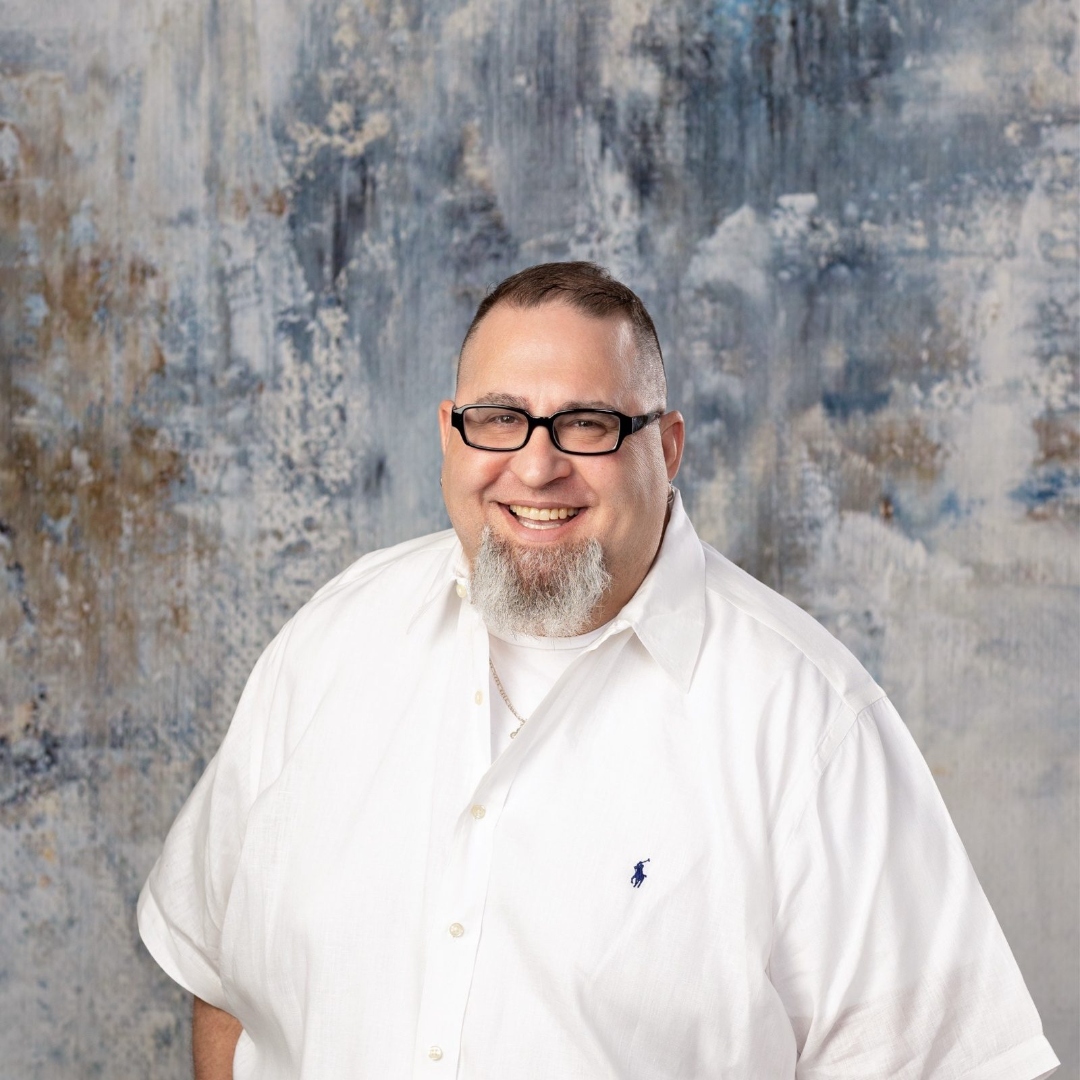 Scotty A. Arceneaux
MS, LPC, LAC, NCC, AADC · Licensed Addiction Counselor
Scotty A. Arceneaux
MS, LPC, LAC, NCC, AADC · Licensed Addiction Counselor
In addiction, we give up everything for one thing. In Recovery, we give up one thing and get everything.
The Shame Myth
You are not what happened to you, and you are not what you used to cope
Somewhere along the way, most people struggling with substances have been told — sometimes gently, sometimes cruelly — that this is their fault. That if they were stronger, smarter, more disciplined, more spiritual, or just tried harder, they wouldn't be here. That belief is not only wrong; it is one of the biggest reasons people don't ask for help until things get worse than they had to.
Substance use disorders are recognized medical conditions with clear biological, psychological, and social components. Genetics, trauma, chronic stress, isolation, untreated mental illness, and the substances themselves all interact in ways that were never a matter of willpower. Understanding that isn't an excuse. It's the ground truth that makes real treatment possible.
- Addiction is a health condition — not a character flaw
- Relapse is a symptom, not a failure — and it's often part of the process
- You don't have to hit “rock bottom” to deserve help
- Wanting to change — even a little — is enough to start
- You don't have to be sure of the destination to take the first step

Who This Is For
Wherever you are on the road, there's a seat here for you
Recovery isn't one story. It's thousands of stories, each with a different beginning. This practice serves the full range — from people still in active use to families healing alongside a loved one.
People in active use
You don't have to be sober to walk in the door. If you're using and unsure whether you want to stop, or how, this is still a safe place to talk honestly. Harm reduction and abstinence are both valid starting points, and the choice is yours.
Early recovery (first 90 days — first year)
The earliest stretch is often the hardest. Sleep is off, moods are heavy, cravings come in waves, and the everyday things you used to numb are all still there. Sessions focus on stabilization, coping tools, and building routines that hold.
Long-term recovery & relapse prevention
Years in doesn't mean the work is over. Relapse prevention, identifying patterns before they escalate, working through unresolved trauma, and finding meaning past the initial “survive it” phase all take intentional, ongoing support.
Dual diagnosis (mental health + substance use)
Depression, anxiety, PTSD, ADHD, bipolar disorder — these frequently travel alongside substance use, and treating one without the other rarely holds. Care here addresses both together, because they're not separate problems.
Family members & loved ones
Watching someone you love struggle with addiction takes a real toll. Whether you need a space to grieve, to figure out healthy boundaries, or to understand what your loved one is actually going through, this practice supports families too.
Court-ordered & mandated clients
If you're here because a judge, employer, or licensing board required it, that's okay. You'll be treated with the same respect as anyone who walked in on their own. Required paperwork, progress reports, and documentation are handled clearly.
Children & adolescents (ages 6+)
Young people and their families face substance use questions differently, and this practice serves clients as young as age 6 alongside adolescents and adults. Confidentiality within legal and developmental limits is discussed openly with both the young client and the parent or guardian at the start.
Adults across every walk of life
Whether you're a professional worried about your career, a parent scared to admit what's happening, a student figuring things out, or someone who has been carrying this for decades — you're welcome here without pretense.
How Therapy Actually Helps
The approaches used in this work
Treatment here is grounded in evidence-based approaches, adapted to what each person actually needs. Nothing is one-size-fits-all, and no client is asked to fit a program that isn't right for them.
Motivational Interviewing (MI)
A collaborative, non-confrontational approach designed to help you explore your own reasons for change, at your own pace. No one is talked at or shamed into anything — the goal is to help you find and strengthen the motivation that's already there, even if it feels small right now.
Cognitive Behavioral Therapy (CBT)
Practical tools for recognizing the thoughts, feelings, and situations that lead to using, and building new responses to them. CBT gives you concrete strategies you can practice between sessions and use for the rest of your life.
Trauma-informed care
Most people with substance use disorders have a trauma history. Addressing addiction without addressing the trauma underneath rarely holds. Every part of care here — from how questions are asked to what pacing feels safe — is designed with trauma in mind.
Harm reduction & abstinence — both are welcome
Some people know they want complete abstinence. Some want to cut back, be safer, or stay alive long enough to figure it out. Both paths are respected here. The goal is meeting you where you are, not where someone else thinks you should be.
SMART Recovery support
For people who prefer a science-based, secular approach to recovery groups, SMART Recovery is a strong fit. Sessions can incorporate SMART Recovery tools and support your participation in local or online meetings alongside individual work.
MAT referrals & coordination
Medication-Assisted Treatment (buprenorphine, naltrexone, methadone) is one of the most effective tools for opioid and alcohol use disorders. This practice doesn't prescribe MAT directly, but coordinates closely with prescribing providers so your therapy and medical care work together.

Signs It Might Be Time
You don't have to be sure — just curious
Most people wait far longer than they need to before asking for help. If any of these feel familiar, that's worth a conversation. You don't have to commit to anything. You don't have to know what you want. You just have to be willing to look at it.
- Using more than you meant to, or more often than you used to
- Trying to cut back or stop and finding it harder than expected
- Hiding your use from partners, family, or friends
- Consequences you can't ignore — work, health, relationships, legal
- Feeling like the substance is running the show, not you
- Loved ones have expressed concern — more than once
- You've been sober before but keep coming back to it
- You're just tired of carrying this by yourself
For Family Members
If someone you love is struggling
Loving someone with an addiction can be one of the loneliest experiences a person can carry. You may be exhausted, angry, terrified, and grieving all at the same time — often while everyone around you assumes you should have it together. That contradiction is exactly why family members deserve their own support, separate from the person using.
Counseling for family members isn't about fixing the person you love. It's about caring for yourself, setting boundaries that protect your own wellbeing, learning what actually helps versus what enables, and grieving the version of them — and of your life — that addiction has interrupted. You are not responsible for their recovery. You are, however, worth taking care of.
If You Need Support Right Now
Immediate help & crisis lines
These are free, confidential, and available around the clock. They are not affiliated with this practice, and reaching out to them will not appear on any record you don't control.
SAMHSA National Helpline
Free, confidential 24/7 treatment referral and information for individuals and families dealing with mental health and substance use disorders. Available in English and Spanish.
Call 1-800-662-HELP (4357) · 24/7
988 Suicide & Crisis Lifeline
If substance use has you thinking about ending your life, or you're in acute crisis, call or text 988 for immediate, confidential support from a trained crisis counselor.
Call or text 988 · 24/7
Never Use Alone
A peer-run hotline for people who use drugs alone. Call before you use and a volunteer will stay on the line, checking in and dispatching emergency help if you become unresponsive. No judgment, no lectures.
Call 1-800-484-3731 · 24/7
Al-Anon & Nar-Anon
Support groups for family members and loved ones of people with alcohol or drug addictions. Meetings are free and available across Louisiana in person and online.
A Meeting-Based Recovery Program Worth Knowing

SMART Recovery
Self-Management and Recovery Training is a free, evidence-based, secular support program built on Cognitive Behavioral Therapy and Motivational Interviewing — the same tools used in this practice. SMART meetings are peer-led, welcoming to people at any stage (including still using), and offered daily online plus in-person across Louisiana. A strong alternative or complement to 12-step programs for people who prefer a science-based, self-empowerment approach.
Visit SMART Recovery Find a Meeting
SMART Recovery is a registered trademark of SMART Recovery. This practice is not affiliated with or endorsed by SMART Recovery; the logo is used solely to identify the organization as a recommended resource.
Information & Knowledge You Can Trust
Federal & research-backed resources
The internet is full of misinformation about addiction. These are the sources clinicians, researchers, and public health experts actually rely on — free, plain-language, and evidence-based.
FindTreatment.gov
SAMHSA's official, searchable directory of licensed and accredited substance use and mental health treatment providers across the U.S. Filter by location, insurance accepted, level of care, and specialty populations. Every listing is verified.
SAMHSA Publications
The Substance Abuse and Mental Health Services Administration's free library of evidence-based recovery workbooks, family guides, treatment overviews, and clinical resources — all downloadable at no cost.
NIDA (National Institute on Drug Abuse)
The nation's leading research authority on drug use, addiction, and treatment. Plain-language explainers on how substances affect the brain and body, what treatments actually work, and what recent science shows.
NIAAA (National Institute on Alcohol Abuse and Alcoholism)
Federal alcohol-specific research and self-assessment tools, including “Rethinking Drinking” — a free tool to evaluate your relationship with alcohol privately, without judgment.
CDC — Overdose Prevention
The Centers for Disease Control's overdose prevention hub: naloxone (Narcan) access information, harm reduction guidance, drug testing information, and the latest Louisiana overdose surveillance data.
Faces & Voices of Recovery
A national grassroots organization advocating for people in recovery, families, and recovery-focused policy. Offers resources for building recovery communities and finding recovery community organizations near you.
Louisiana-Specific Support
State & local resources
Louisiana has its own network of state agencies, treatment locators, and recovery organizations. These are the ones most worth knowing.
LDH Office of Behavioral Health
The Louisiana Department of Health's Office of Behavioral Health oversees the state's public substance use and mental health treatment system, with directories of publicly funded providers including detox, residential, outpatient, and MAT programs.
Louisiana Local Governing Entities (LGEs)
Louisiana's ten regional LGEs coordinate publicly funded behavioral health services, including sliding-scale and free substance use treatment. Search by parish to find the LGE covering your area.
Louisiana Opioid Data & Surveillance
The Louisiana Department of Health's opioid surveillance dashboard, with overdose trends, naloxone distribution data, and public health resources for communities affected by the opioid crisis.
Naloxone (Narcan) in Louisiana
Under Louisiana's standing order, naloxone is available at pharmacies statewide without a prescription. LDH also distributes free naloxone through community partners — if you or a loved one uses opioids, having naloxone on hand can save a life.
Louisiana 211
A free, confidential statewide information line connecting Louisiana residents to local health, substance use, housing, food, and social services. Available 24/7 by dialing 211 anywhere in Louisiana.
Dial 211 · louisiana211.org
NAMI Louisiana
The Louisiana chapter of the National Alliance on Mental Illness offers free peer-led education, support groups, and advocacy for individuals and families affected by mental illness — including co-occurring substance use.
Ready When You Are
Take the first step — whenever you're ready
You don't have to be certain. You don't have to be sober. You don't have to have your story straight. You just have to be willing to have a conversation. A free 15-minute consultation can help you figure out whether this is a fit — no commitment, no judgment, no pressure to book anything after.
Questions first? Send a secure message or call (337) 283-9997. Whatever you share is kept in strict confidence under HIPAA and Louisiana law.